
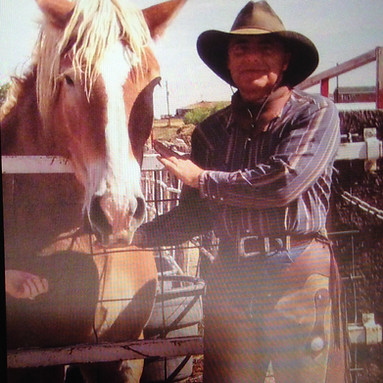
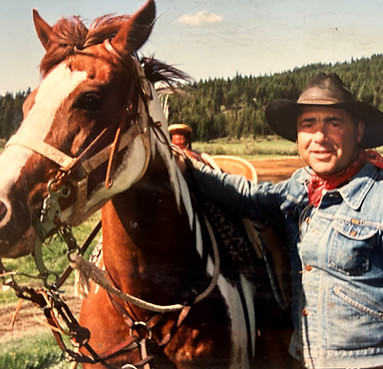
The Spanish Califonia/ Nevada Tradition
As Written and Taught by my Mentor Damian Ficca
The Spanish California/Nevada method of horse training, rooted in the traditions of Spanish
ranching culture, represents a unique approach to horsemanship that flourished in California and
Nevada during the 19th century. This method, influenced by techniques from Spain and Mexico,
emphasizes a deep connection between horse and rider, fostering trust, respect, and
communication. The phrase that best describes the tradition is “For the welfare of the horse”.
At its core, the Spanish California/Nevada method is characterized by gentle, patient training
techniques that prioritize the horse’s understanding and responsiveness. Unlike more aggressive
training methods that rely on force or dominance, the Spanish California/Nevada approach
teaches a harmonious relationship. The trainer’s role is to guide the horse through a series of
progressive exercises, allowing the animal to develop confidence and competence in its abilities.
One of the key principles of the method is the use of groundwork — exercises conducted while
the horse is on the ground, which establish communication and build trust before mounting the
horse. This groundwork often involves using a live lariat or rope, which helps in teaching the
horse to respond to cues from the trainer effectively. By working on these fundamental skills,
trainers can create a more responsive and willing partner when it comes time to ride.
Another hallmark of this method is its emphasis on understanding the horse’s natural instincts
and behaviors. Trainers observe and interpret the horse’s body language, allowing them to adapt
their training methods to meet the individual needs of each horse. This individualized approach
is particularly important, as each horse has its unique temperament, strengths, and weaknesses.
By tailoring the training process, a trainer can address any issues that may arise, ensuring that the
horse develops both physically and mentally.
Spanish California/Nevada training also incorporates the use of various equipment, such as the
side-pull or bosal (types of bridle) and the saddle, which are designed to facilitate precise
communication between horse and rider. The side-pull, in particular, allows for a lighter touch,
enabling the horse to feel cues more easily without the harshness of a traditional bit. The Spanish
California/Nevada method holds a strong cultural significance, representing a deep-rooted
heritage of ranching and equestrian skills that have been passed down through generations. This
tradition not only embodies practical skills but also conveys values such as responsibility, respect
for nature, and the importance of community. The aesthetic aspects of Spanish horsemanship,
including the elaborate saddles and horsemanship attire, are also an integral part of this cultural
expression.
In modern times, elements of the method can be observed in various disciplines of equestrianism,
including Western riding and dressage. Trainers and riders integrate techniques from the Spanish
California/Nevada approach into their training regimens, valuing the respect for the horse and the
emphasis on effective communication.
In conclusion, the Spanish California/Nevada method of horse training represents a
comprehensive approach that emphasizes the importance of patience, understanding, and
communication between horse, trainer and rider. By prioritizing the horse’s comfort and learning
pace, this method not only cultivates skilled equestrian practitioners but also fosters a lasting
bond between humans and horses. Its cultural richness and practical efficacy ensure that the
traditions continue to influence modern horsemanship practices.
